The Walking Group: Fitness, Friendship and the Best Habit After 60
Quick Answer: Walking groups have the best long-term adherence of any exercise for people over 60 because social commitment is stronger habit glue than motivation. Two people is enough to start one. Fix the schedule, pick routes suited to the slowest comfortable walker, add a coffee stop afterward, and call anyone who misses two walks.
Gym memberships peak in January and collapse by March. Fitness apps get deleted. Home equipment becomes a drying rack.
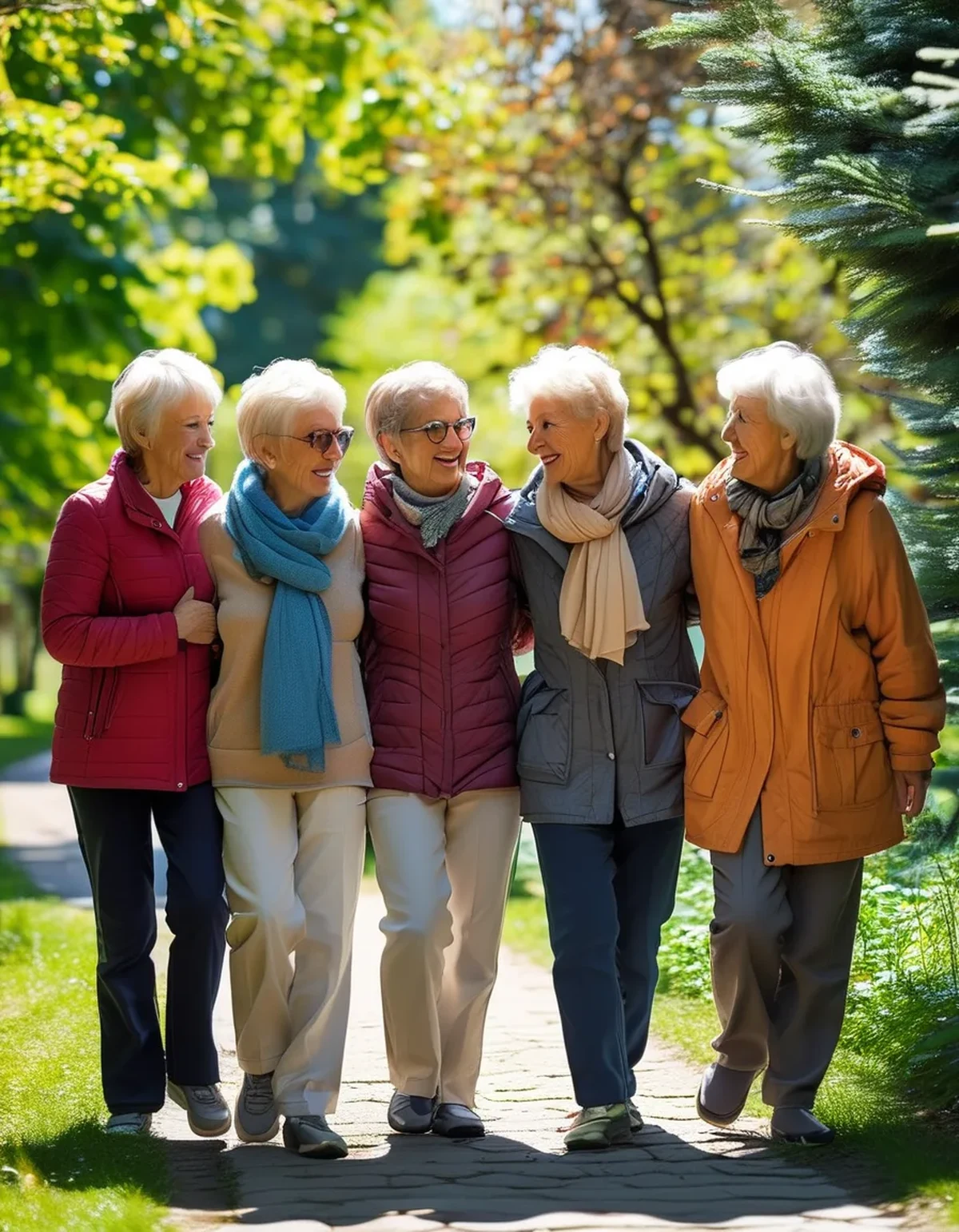
Meanwhile, somewhere near you, six people in their seventies have met at the same bench every Tuesday and Thursday for eleven years.
Ask researchers which form of exercise people over 60 actually stick with, and the answer is almost disappointingly plain: walking, with other people.
Why Do Walking Groups Outlast Every Other Exercise Plan?
Social commitment beats personal motivation, and it isn’t close. You’ll skip a workout you promised yourself. You won’t skip one where three people are standing in a car park waiting for you. Every study of exercise adherence points in this direction — external accountability outperforms internal willpower over the long run.
There’s no skill ramp and no equipment ceiling. Nothing to learn, nothing to buy beyond decent shoes, no intimidating room full of machines. The on-ramp is your front door.
The dose is genuinely medicinal. Regular brisk walking has a substantial evidence base behind it — cardiovascular health, bone density, mood, and cognitive function all show benefits. It’s one of the most consistently supported health behaviours there is.
And the social part isn’t a bonus feature. Research increasingly treats loneliness as a serious health risk factor, comparable in magnitude to some well-known physical risks. A walking group treats isolation and blood pressure in the same hour. That’s remarkable value for something that costs nothing.
The daylight matters too — morning light exposure supports sleep quality, which is the thing most people over 60 would most like to improve.
How Do You Find a Walking Group?
More of them exist than you’d guess, and most don’t advertise well.
- Community centres and libraries. The physical bulletin board remains undefeated for this. Go and look.
- Mall-walking groups. Genuinely underrated: climate-controlled, flat, well-lit, benches every 50 metres, and they own the hours before the shops open. In bad weather they’re the only reliable option.
- Parkrun-style events. Many explicitly welcome walkers and have a designated tail walker so nobody finishes alone.
- Neighbourhood apps, church groups, and local Facebook groups. These fill in the gaps, especially in smaller towns.
- Specialty groups. Nature-walk clubs, dog-walking circles, Nordic walking (poles) groups, and hospital or health-service-run programs.
The trial rule: go twice before deciding. Group chemistry rarely shows on the first walk — you’re being introduced and everyone’s on best behaviour. The second walk is the honest one.
How Do You Start One Yourself?
Two people is a group. This is the single most useful thing to know. Recruit one neighbour and the institution exists. Everything after that is growth, not founding.
Fix the schedule ruthlessly. Same days, same time, same meeting spot, permanently. The appointment does the remembering so nobody has to organise anything each week. “Tuesdays and Thursdays, 9am, the car park by the pond” — never negotiated again.
Design routes for the slowest comfortable walker. Loops rather than out-and-backs, benches along the way, and bail-out points so anyone can turn back early without ending the walk for everyone. The measure of a good route is that everyone comes back wanting to do Thursday.
Have a weather policy in advance. “Light rain we walk, heavy rain we get coffee,” or a designated mall backup. Groups without a weather plan quietly die in November.
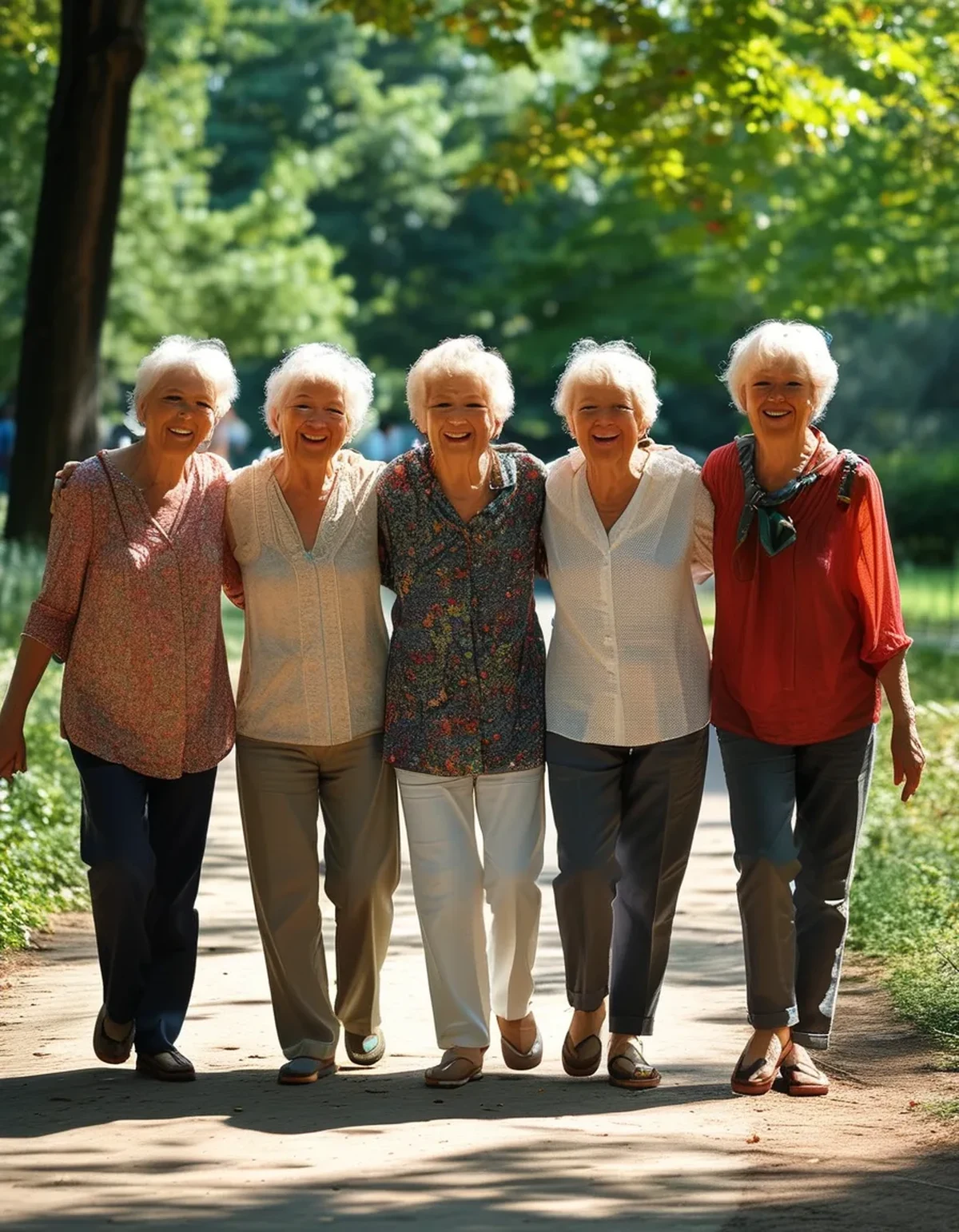
Start small and let it grow by word of mouth. Groups that try to launch with fifteen people usually collapse under the coordination. Groups that start with two and grow to nine last decades.
What Nobody Tells You About Walking Groups
The coffee afterward is half the product. It looks like an indulgence tacked onto the exercise. It isn’t — it’s the reason people come back. Budget the café stop as part of the fitness program, because it functionally is.
Rotating who picks the route creates ownership. Members who choose a route once a month stay members. It’s a small thing that does a lot of work.
Ceremony binds groups. Birthdays walked, an annual toast to the year’s step count, a photo at the same spot each spring. These sound twee and they’re precisely what turns a group of walkers into a group.
The check-in call is the real mission. When someone misses two walks, somebody phones. That habit is what turns a fitness group into a safety net — and for many members, it’s the only regular check-in they have. Groups that notice absence prevent isolation.
Nobody is judging your pace. New members almost always worry about being the slow one. In practice, established groups organise around their slowest walker as a matter of course, and the newest member is rarely the slowest anyway.
Mini FAQ
How fast and how far should a walking group walk?
Most groups settle somewhere around 30-60 minutes at a pace where conversation is still comfortable — that “talk test” pace is roughly where the health benefits sit. Distance follows from that rather than being set in advance.
What if I can’t keep up with the group?
Say so on day one. Well-run groups either pace to the slowest walker or split into two loose paces that reconvene at the coffee stop. A group that won’t accommodate that isn’t the right group — and there’s usually another one.
Do I need special shoes or gear?
Supportive walking shoes with decent grip, and layers you can remove. That’s genuinely it. Poles are useful if balance is a concern, and a high-visibility layer is worth having for darker months.
TL;DR:
- Walking groups win on adherence because social commitment outperforms motivation over the long run.
- Find one via community centres, libraries, mall-walking programs, or parkrun — and attend twice before judging.
- To start one: two people is enough. Fix the schedule permanently and never renegotiate it.
- Design routes for the slowest comfortable walker: loops, benches, bail-out points, and a weather policy.
- Keep it alive with the coffee stop, rotating route picks, small celebrations, and a phone call to anyone who misses two walks.
Keep Reading
This article is for general informational and styling purposes only. Fit, sizing, and product availability may vary.