7 Grip Strength Mistakes That Quietly Predict Falls After 60

Quick Answer: Grip strength is one of the strongest predictors of overall fall risk after 60 — not because of the hands themselves, but because weak grip signals broader loss of the fast-reacting muscle strength needed to catch a stumble before it becomes a fall.
Doctors have started checking grip strength almost like a vital sign for a reason: research consistently links it to fall risk, hospitalization, and recovery speed after 60. These seven common mistakes quietly let grip strength slide without anyone noticing until it matters.
The 7 Mistakes, One by One
Mistake 1: Assuming Grip Strength Doesn’t Matter for Balance
Grip strength correlates with overall fast-twitch muscle strength throughout the body — the same fibers that let you catch a railing or steady yourself on a curb. Treating grip as unrelated to balance means missing an early warning sign that’s easy to test and easy to train.
Mistake 2: Never Testing It, So Decline Goes Unnoticed
Grip strength typically declines gradually starting in the 50s, but without a baseline, a 20% loss over five years feels like ‘normal aging’ rather than something to address. A simple hand dynamometer (many pharmacies and clinics have one) or even a consistent home test with a hand gripper gives you a number to track.
Mistake 3: Only Doing Cardio, Skipping Resistance Work
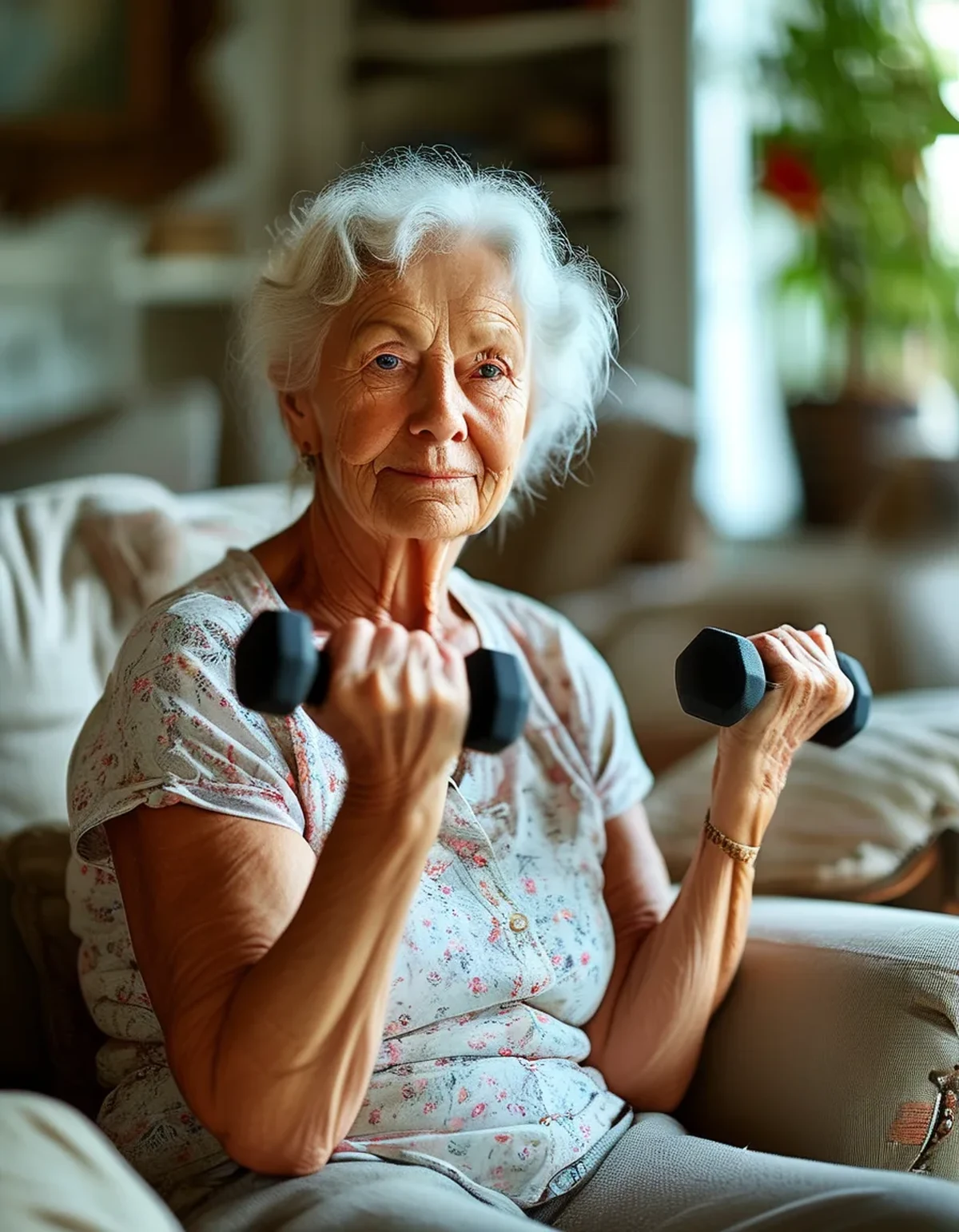
Walking and cardio are valuable, but they don’t meaningfully load grip or upper body strength. Without dedicated resistance work — even light dumbbells or resistance bands — grip and upper-body strength decline faster than lower-body strength, creating an imbalance that affects catch-yourself reflexes.
Mistake 4: Avoiding Grip Work Because of Joint Pain
Mild arthritis often leads people to avoid hand and grip exercises entirely, when gentle, consistent grip work actually improves joint lubrication and reduces stiffness for many people. Starting with putty or a soft stress ball rather than a hard gripper accommodates joint sensitivity without full avoidance.
Mistake 5: Training Grip But Ignoring Forearm Endurance
A strong single squeeze doesn’t help much if the forearm fatigues after ten seconds — real-world catches (grabbing a railing while off-balance) require sustained grip, not peak force. Timed holds (squeezing and holding for 20-30 seconds) build the endurance component that a quick squeeze test misses.
Mistake 6: Not Connecting Grip Work to Functional Movement
Isolated grip exercises help, but pairing them with functional carries — walking while holding weighted bags in each hand, for example — better mimics the real situations (grabbing a grocery bag, catching a fall) where grip strength actually gets used under stress.
Mistake 7: Stopping as Soon as It ‘Feels Fine’
Grip strength that feels adequate for daily tasks can still be well below the threshold needed for an emergency catch — daily tasks use a fraction of available grip strength, while catching a stumble demands a fast, near-maximal burst. Maintaining a training margin above ‘just enough for daily life’ is what actually protects against falls.
What Nobody Tells You About the Research
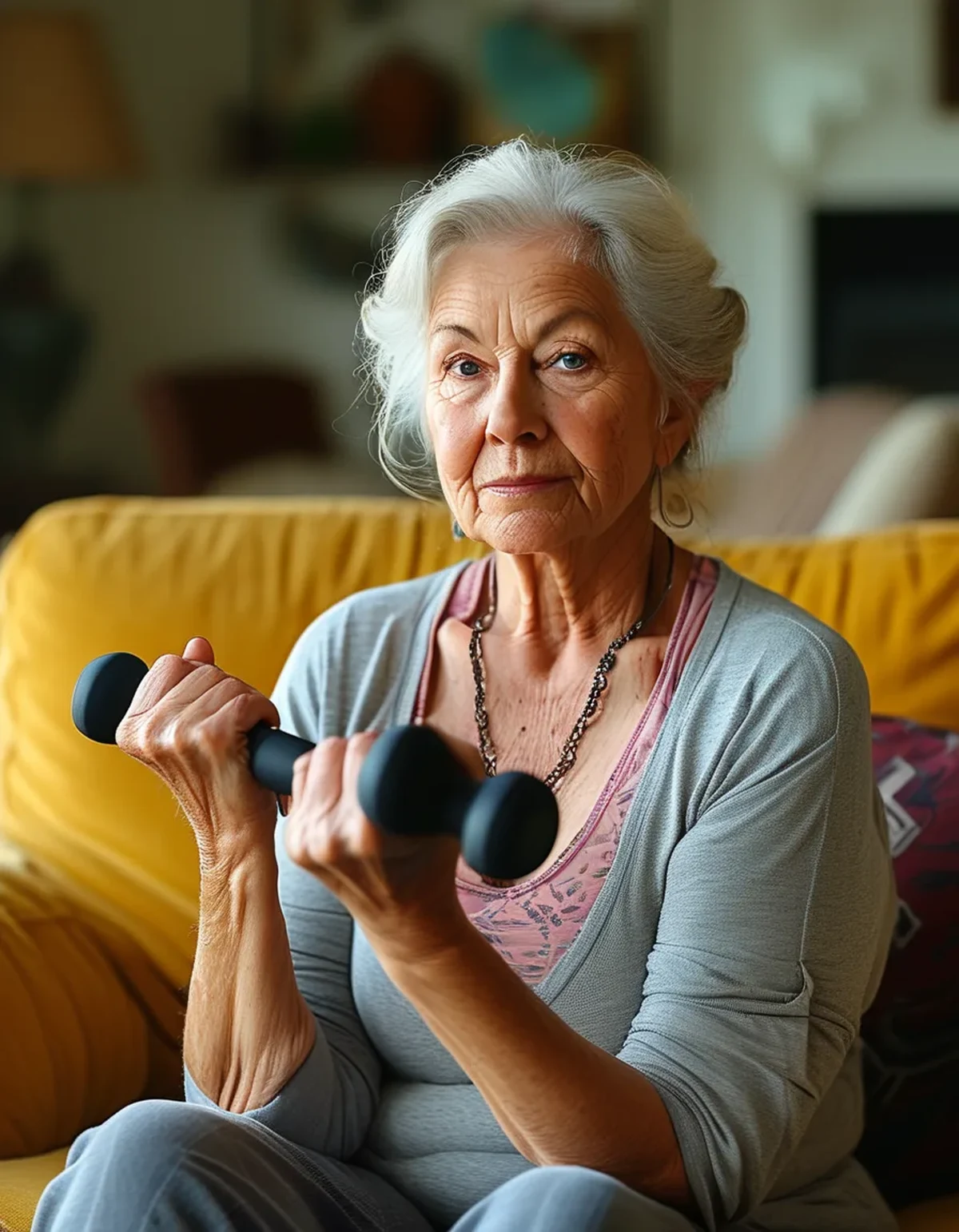
Some studies have found grip strength to be as predictive of overall mortality risk as blood pressure in older adults — not because grip itself is life-or-death, but because it’s an efficient marker of overall muscular health and nervous system function. That’s part of why it’s become a standard, quick check in geriatric assessments.
FAQ: Grip Strength and Fall Risk Questions, Answered
What’s a simple grip test I can do at home?
Squeeze a soft ball or hand gripper as hard as comfortably possible and hold for 10 seconds, noting how it feels weekly — a gradual, sustained decline over months is the pattern to watch for, not day-to-day variation.
How often should grip training happen?
2-3 short sessions a week (a few sets of squeezes or holds, 5-10 minutes total) is enough to see improvement within 6-8 weeks for most people.
Can grip strength actually improve after 60?
Yes — resistance training studies consistently show meaningful grip strength gains in adults well into their 70s and 80s with consistent training.
TL;DR:
- Grip strength is a proxy for overall fast-twitch strength tied to catching falls
- Test it regularly — decline is gradual and easy to miss without a baseline
- Add resistance and functional carry work, not just cardio
- Train endurance holds, not just peak squeeze strength
- Keep a strength margin above what daily tasks require
Grip strength is one of the few fall-risk factors you can directly train in a few minutes a week — checking it now costs nothing, and building it is one of the simplest investments against a future fall.
Keep Reading
This article is for general informational and styling purposes only. Fit, sizing, and product availability may vary.