7 Everyday Habits Quietly Increasing Fall Risk After 60

Quick Answer: Rushing to answer the phone, wearing worn-out shoe treads, and skipping vision checks are among the most common everyday habits quietly raising fall risk after 60 — none of which show up on a typical balance test, because they’re situational, not physical.
Most fall-prevention advice focuses on exercises, and rightly so. But a lot of actual fall risk lives in small daily habits that never get flagged, because they don’t look like a fitness problem — they look like ordinary life.

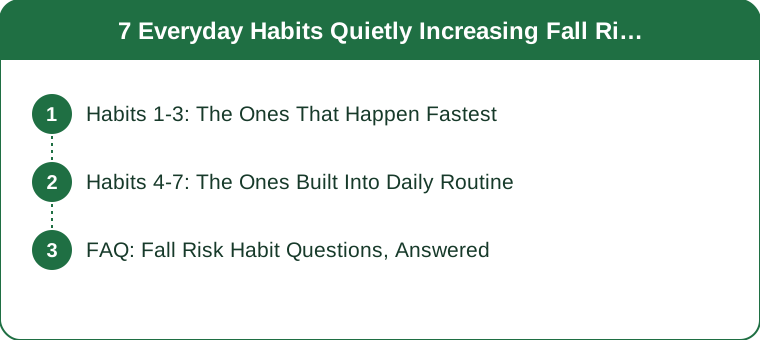
Habits 1-3: The Ones That Happen Fastest
1. Rushing when a phone or doorbell rings
The instinct to hurry toward a sudden sound is strong at any age, but rushed movement removes the careful foot placement that normally compensates for slower reflexes. Letting a call go to voicemail costs nothing; a fall from rushing can cost months.
2. Wearing shoes past their tread life
Worn tread reduces grip on smooth or slightly wet floors far more than most people expect, and the wear is often invisible from the top of the shoe. Check the sole every few months, not just when the upper looks worn out.
3. Skipping the annual vision check
Depth perception and contrast sensitivity — both critical for judging stair edges and curb heights — decline gradually enough that people adjust without noticing. An outdated glasses prescription is a common, fixable fall risk factor that has nothing to do with strength or balance.

Habits 4-7: The Ones Built Into Daily Routine
4. Standing up too fast from sitting or lying down
Orthostatic blood pressure drops are more common with age and some medications, causing brief dizziness on standing. Pausing for a few seconds after sitting up, hand on something stable, prevents a large share of these moments.
5. Cluttered paths kept ‘just for now’
A single stack of magazines or a loose rug edge, left because moving it feels like a minor chore, is one of the most common in-home fall triggers. Clear walking paths are a daily habit, not a one-time cleanup.
6. Carrying too much in both hands
Carrying items in both hands removes the ability to catch a stumble with a free hand or grab a railing. Making two trips, or using a bag that leaves one hand free, is a small habit change with outsized safety value.
7. Skipping the handrail ‘because you don’t need it yet’
Handrails work best used consistently, before balance is actually failing — waiting until you ‘need’ one means learning the habit exactly when coordination is already compromised. Using it early is prevention, not admission of decline.
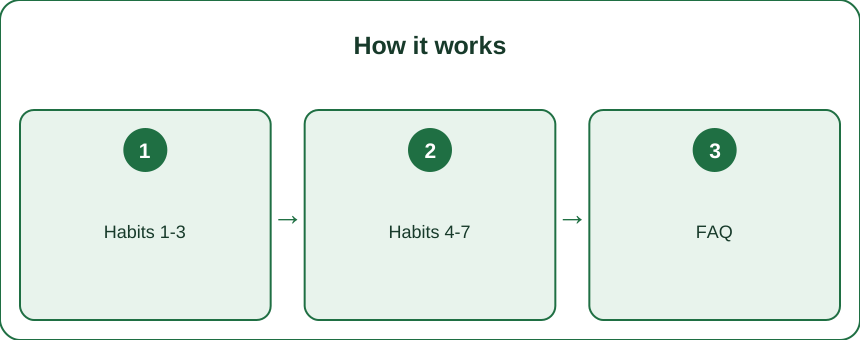
FAQ: Fall Risk Habit Questions, Answered
Which of these habits matters most to fix first?
Vision checks and standing up slowly tend to have the biggest immediate safety payoff, since both directly affect the moments right before a fall happens.
Do these habits matter even for people who exercise regularly?
Yes — strength and balance training reduce risk but don’t eliminate it; these situational habits operate independently of fitness level.
How often should home walking paths be checked for clutter?
A quick daily glance covers most of it — the goal is catching the ‘just for now’ items before they become permanent trip hazards.
TL;DR:
- Rushing to sounds, worn shoe tread, and outdated vision prescriptions are common, overlooked fall risk factors
- Standing up slowly and clearing walking paths daily both meaningfully reduce risk
- Using handrails consistently, before you ‘need’ them, works better than waiting
- These habits matter independently of fitness or balance training level
Fall prevention isn’t only in the gym — a surprising amount of it lives in habits you can change today.
Keep Reading
This article is for general informational and styling purposes only. Fit, sizing, and product availability may vary.