Keeping Up With the Grandkids: Training for the World's Best Reason

Quick Answer: Keeping up with grandkids comes down to four trainable skills — getting up and down off the floor easily, short bursts of walking speed for chases, light strength work for lifting and carrying, and genuine recovery between visits. A few minutes of practice each week on each of these makes a noticeable difference within a month or two.
There is no fitness test quite like a four-year-old yelling “chase me!” from across the yard. Grandchildren are adorable personal trainers with zero mercy and unlimited energy, and they will absolutely find your weak spots before you do. The good news is you can train for them like the beloved sport they actually are.

Why is getting up off the floor the hardest part of playing with grandkids?
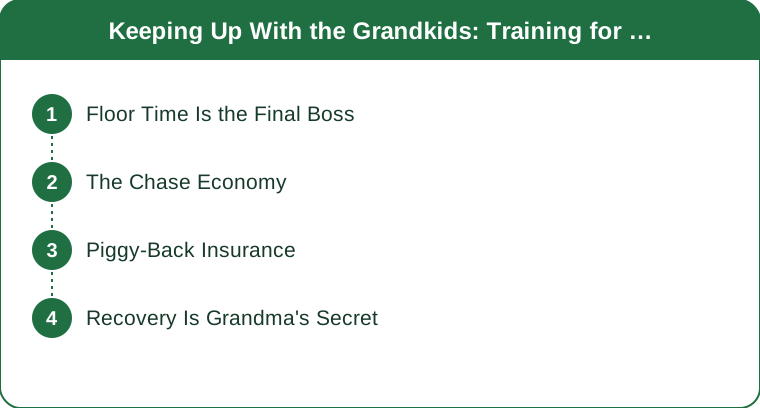
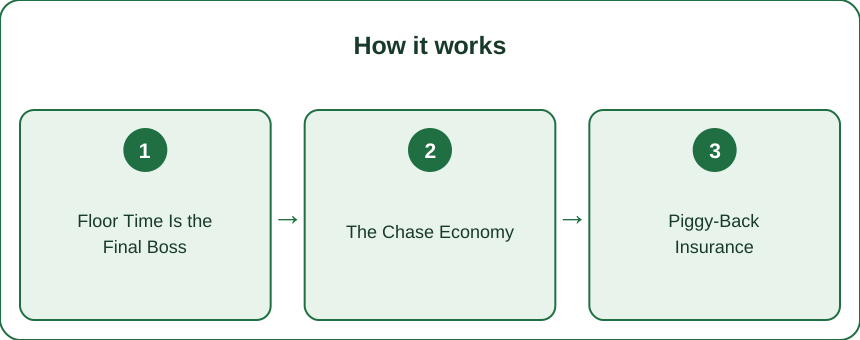
Getting down to the carpet for a puzzle or a toy car race is usually the easy part. Getting back up with any dignity is the real event, and it’s the skill that quietly determines how much floor time you’re willing to offer in the first place. Practicing sit-to-stands (rising from a chair without using your hands) and half-kneel get-ups a few times a week keeps this movement pattern sharp. The floor is where the best games live, so staying eligible for it matters more than it sounds.
What kind of cardio actually prepares you for chasing a grandkid?
Long, steady cardio is great for your heart, but it’s not quite what a backyard chase demands. Park chases run on short bursts, not marathons — a sudden sprint to catch up, then a recovery walk, repeated. Brisk daily walks with a few deliberate little speed-ups built in train exactly that pattern. You don’t need to outrun a six-year-old; you just need to outlast the giggling, and that’s a much more achievable goal.
Do you need to lift weights to keep up with grandkids?
Yes, in a light, practical sense — and it pays off in ways that show up constantly. Light strength work, like squats, carries, and band rows, a couple times a week keeps lifting a squirming 35-pound kid a joy instead of a gamble on your back. The same strength carries over directly to daily life: carrying groceries, lifting a stroller into the trunk, hoisting a diaper bag one-handed while holding a hand with the other. Treat groceries like training weights, because functionally, they already are.

How important is recovery between visits?
More important than most people give it credit for. The kids nap after a big morning of play — and honestly, so can you, guilt-free. Sleep, hydration, and the occasional full rest day keep you match-fit for the next visit instead of running on a deficit that catches up with you by week three. Even elite athletes build in recovery between tournaments, and this particular league is considerably cuter.
When should you check in with a doctor or trainer before ramping up activity?
If it’s been a while since you’ve done any structured exercise, or you have a joint issue, heart condition, or balance concern, it’s worth a quick conversation with your doctor or a physical therapist before diving into chase-the-grandkid training season. A trainer experienced with older adults can also help you scale sit-to-stands, carries, or walking pace to a level that builds you up safely rather than sidelining you with a strain. This isn’t about slowing down your plans — it’s about making sure they actually stick.
5 Mistakes Everyone Makes Training to Keep Up With Grandkids
- Skipping the floor work entirely — avoiding it doesn’t fix the problem, and it only gets harder the longer it’s avoided.
- Trying to match a kid’s energy for hours straight — short bursts with real recovery beat forced all-day stamina every time.
- Ignoring strength training in favor of cardio alone — walking helps your heart, but lifting is what protects your back and joints during pickups.
- Treating naps and rest days as lazy — recovery is training, not a break from it.
- Pushing through pain instead of checking with a professional — a quick conversation with a doctor or PT early is cheaper than an injury later.
FAQ: Fitness for Keeping Up With Grandkids
What’s the single best exercise for grandparents who want to keep up with grandkids?
If you can only pick one, sit-to-stands are hard to beat — they directly train the floor-to-standing movement that comes up constantly during play, and they double as a quick strength check on their own.
How often should older adults do strength training for daily activities like this?
A couple of sessions a week focused on squats, carries, and rows is generally enough to notice a real difference in daily lifting and carrying tasks within a month or so. Consistency matters more than volume here.
Is it normal to get sore after a weekend with active grandkids?
Some soreness after an unusually active weekend is common, especially if you’re not used to that level of movement yet. But sharp pain, joint swelling, or soreness that lingers well past a few days is worth mentioning to a doctor or physical therapist rather than just pushing through.
TL;DR:
- Practice sit-to-stands and half-kneel get-ups to keep floor play sustainable
- Train short bursts of speed, not long steady cardio, for backyard chases
- Light strength work (squats, carries, rows) protects your back for lifting and carrying
- Treat naps and rest days as part of training, not a break from it
- Check with a doctor or PT before ramping up if it’s been a while or you have joint concerns
Keep Reading
This article is for general informational and styling purposes only. Fit, sizing, and product availability may vary.