Fall-Proofing Your Home: The Room-by-Room Changes That Matter More Than Balance Exercises

Quick Answer: A large share of falls trace to something in the environment — a rug edge, a cord, a dark hallway — not to balance alone. The highest-value fixes, in order: grab bars and a non-slip mat in the bathroom, nightlights along the path you walk in the dark, securing or removing loose rugs and cords, a second stair handrail, and a clear walking route through every room. This works alongside balance training, not instead of it. General information, not medical advice.
Balance exercises get all the fall-prevention attention. Meanwhile the rug in your hallway has been quietly sliding half an inch every time someone walks on it for six years.
Both matter. But one of them takes three months of consistent training, and the other takes an afternoon and a roll of rug tape — and the afternoon version is the one most people skip.
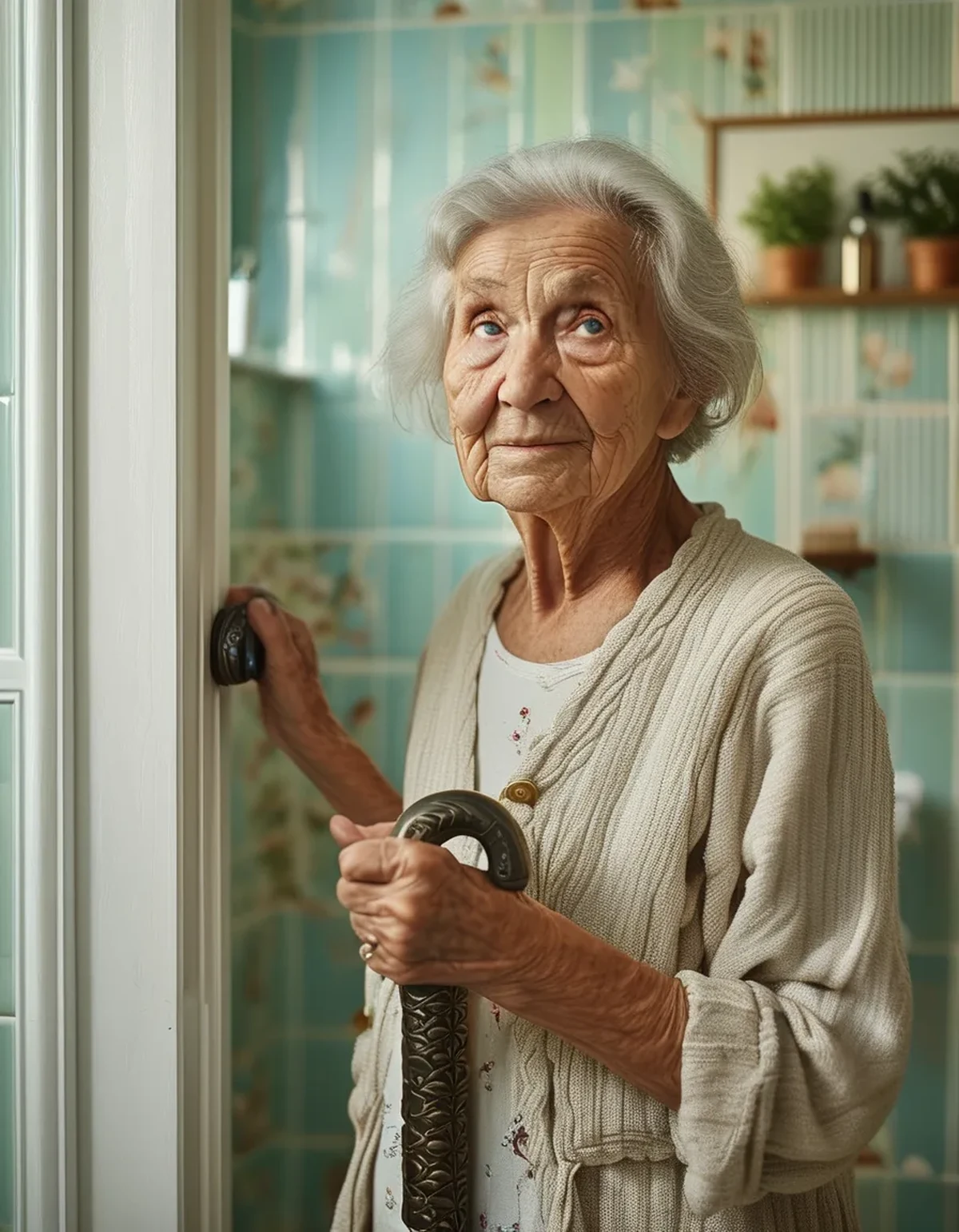
Why Do Home Hazards Cause More Falls Than Weak Balance?
Most falls have a specific environmental trigger. Not a gradual balance failure — a cord, a rug edge, a step in poor light. Something caused it, and that something usually has an address in your house.
Balance training doesn’t fix a dark hallway. Excellent balance helps enormously with the stumbles you can see coming. It does very little about a hazard that’s genuinely invisible at 2am. You can’t correct for what you never detected.
Familiarity makes hazards invisible. Live somewhere for fifteen years and you stop seeing it. Your brain filed the hallway under “known” a decade ago and stopped re-checking. This is why an outside pair of eyes finds things in ten minutes that you’ve walked past ten thousand times.
Risk changes with context. A hazard that’s completely manageable when you’re alert and rested becomes genuinely dangerous on a groggy nighttime trip to the bathroom. Same rug, different odds.
One fall cascades. A single fall often triggers reduced activity, which drives deconditioning, which raises the risk of the next one. That compounding is what makes prevention worth disproportionate effort — you’re not preventing one event, you’re preventing a trajectory.
The reframe: your home is an equal partner to your training, not an afterthought. Fixing both closes far more risk than either alone.
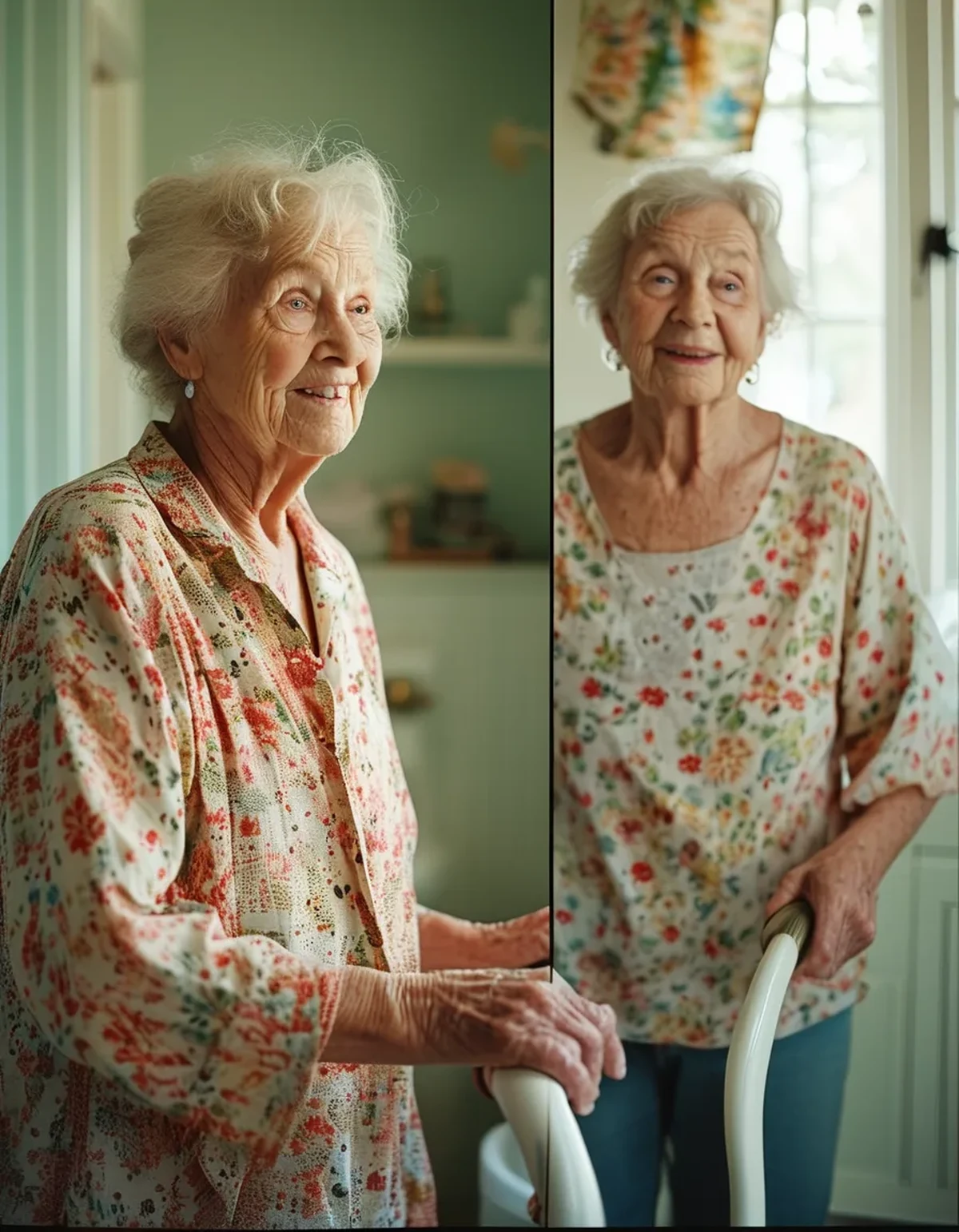
Which Room-by-Room Fixes Matter Most?
Roughly in order of value per hour spent.
The bathroom, first. Wet surfaces plus hard surfaces plus movements that require balance with nothing to hold. Fit grab bars beside the toilet and inside the shower, and put down a non-slip bath mat. This is the highest-value fix in the house, and it isn’t close. Note: a towel rail is not a grab bar and will come off the wall — install bars properly, into studs.
Light the path you actually walk at night. Nightlights or motion-sensor lights along the route from your bed to the bathroom. Darkness plus grogginess is one of the most common fall combinations there is, and motion-sensor lights solve it without requiring you to remember anything at 2am.
Loose rugs and cords. Remove rather than just tape down where you can — a secured rug is still an edge. Reroute cords away from walking paths entirely instead of running them along the wall and hoping.
A second stair handrail. If your stairs have one rail, add the other side. A single rail is no help at all if you trip toward the off side, which is a coin flip you’re currently taking every day.
Clear a real walking path everywhere. Not just the main route. Rearrange furniture so there’s an unobstructed path through every regularly used room — including the ones you cross in the dark, and the one where the ottoman migrated last winter.
How Do the Fixes Work With Exercise Rather Than Replacing It?
Exercise is the backup system. Strength and balance work improve your ability to recover from a stumble, not just to avoid one. No home is hazard-free, and the recovery step is what turns a stumble into a story rather than an injury.
A fixed environment means fewer live tests. Every hazard is a moment where your balance gets examined under real consequences. Remove hazards and you reduce how often that exam happens at all.
Together they cover different scenarios. A safe home handles the predictable risks. Trained balance handles the unpredictable ones — the pavement kerb, the friend’s house, the unfamiliar hotel bathroom. Either one alone leaves an obvious gap.
There’s a confidence effect. A genuinely safer home reduces the fear of falling, and less fear means more natural movement. Fear makes people move stiffly, take shorter steps and look down instead of ahead — all of which increases risk on their own.
Review both on the same schedule. Check the home setup and the exercise routine together, perhaps twice a year, and after anything changes: new medication, a new pet, a change in vision, new furniture.
What Nobody Tells You
- Bathroom towel rails are not grab bars. They’re rated to hold a towel and they will pull straight out of the wall.
- Reading glasses on stairs are a real hazard. Progressive and reading lenses blur the ground exactly where you need it sharp. Look at the stairs over the top of them, or switch.
- New medications change fall risk overnight. Anything causing dizziness or drowsiness deserves a conversation with your pharmacist.
- Slippers are among the worst footwear in the house. Backless, loose, no grip. Supportive shoes with a back are better indoors than the slippers everyone gets given at Christmas.
- The pet is a genuine hazard. Especially a small dark one, on stairs, at night. Nightlights help with this too.
Frequently Asked Questions
Where do I start if I can only do one thing?
The bathroom. Grab bars beside the toilet and in the shower, plus a non-slip mat. It’s the highest-risk room and the fixes are cheap, fast, and don’t require anyone to remember anything.
Do I still need balance exercises if my home is fall-proofed?
Yes. Home fixes reduce how often your balance is tested; balance training determines what happens when it is — including everywhere that isn’t your home. The two solve different halves of the same problem.
How often should I re-check the house?
Twice a year is a reasonable rhythm, plus after any change: new medication, a change in vision, new furniture, a new pet, or after any fall or near-fall. Near-misses are free information — treat one as a prompt to go looking.
Does what I wear around the house matter?
More than people expect. Grippy footwear with a back beats slippers, and trousers that don’t pool at the ankle matter too — a hem underfoot on stairs is a genuine trip risk. Well-fitted leggings or trousers that end above the floor remove a hazard most people never think about.
When to See a Professional
Talk to your doctor after any fall, even one with no injury — the cause is worth identifying. Also raise new dizziness, changes in vision, or any medication that makes you drowsy. Occupational therapists do home safety assessments and will spot things this checklist won’t, and a physiotherapist can build a balance programme suited to your actual starting point. This article is general information, not medical advice.
TL;DR:
- A large share of falls trace to environmental triggers, not balance failure alone.
- Familiarity hides hazards — you stopped seeing your own hallway years ago.
- Priority order: bathroom grab bars and non-slip mat → nighttime lighting → rugs and cords → second stair handrail → clear paths in every room.
- Exercise is the recovery system for the hazards you can’t remove, including everywhere outside your home.
- A safer home also reduces fear of falling, which improves how naturally you move.
- Re-check twice a year and after any change in medication, vision, furniture, or after a near-miss.
Keep Reading
This article is for general informational and styling purposes only. Fit, sizing, and product availability may vary.