8 Reasons Grip Strength Matters More After 60 Than You Think

Quick Answer: Grip strength is one of the most studied simple predictors of health outcomes in older adults - it correlates with overall muscle strength, mobility, recovery from illness, and independence. It also declines quietly, because almost nothing in modern daily life demands it. Two sessions a week of carries, hangs, and pinch holds will move it measurably within six to eight weeks at almost any age.
Nobody sets a goal to improve their grip. It is not visible, it does not show up in a mirror, and it feels like a footnote next to squats and walking. And yet it keeps appearing in research as one of the cleanest signals of how the next ten years are likely to go.
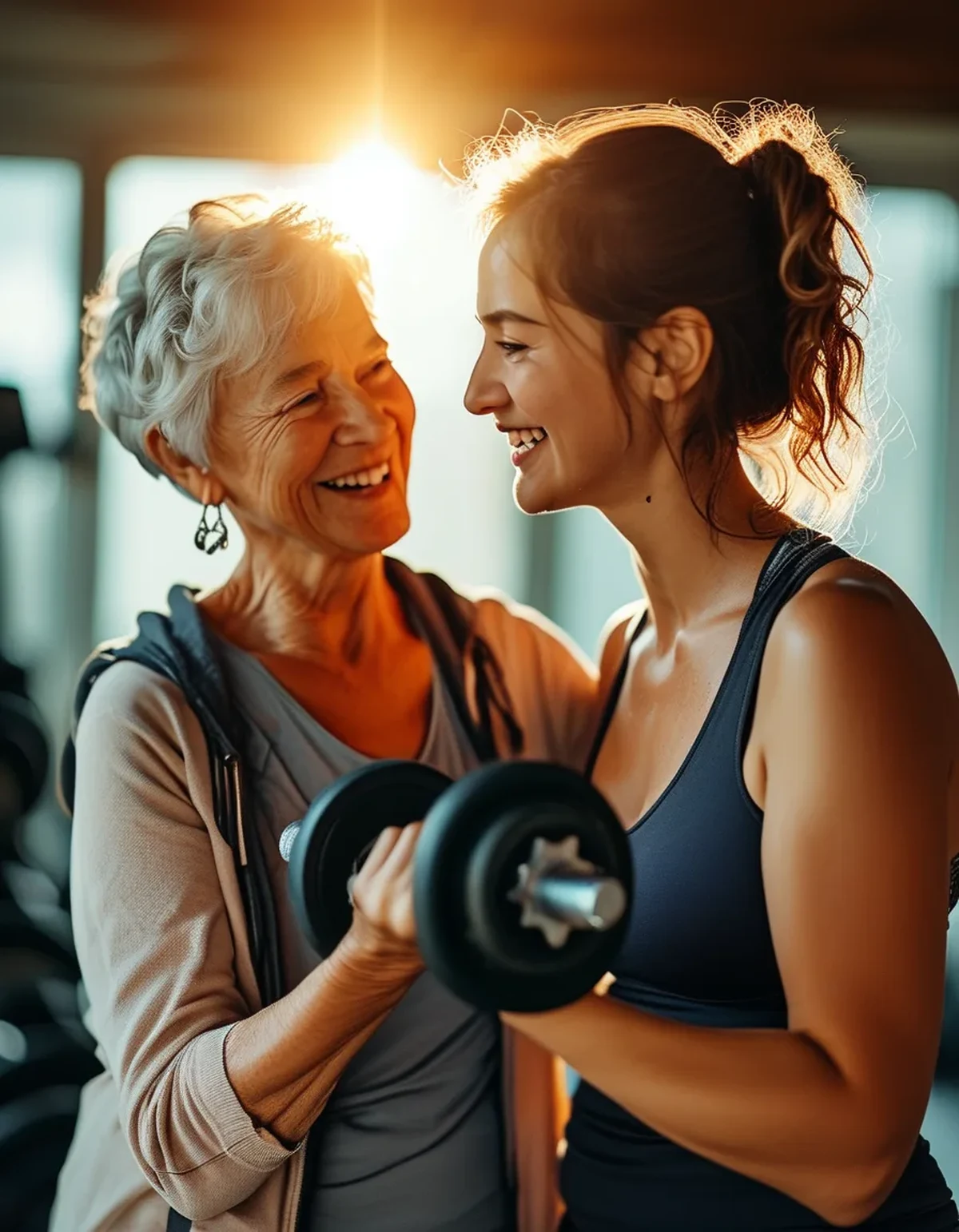
Reason 1 and 2: It reflects whole-body strength, and it tracks independence
1. Grip is a proxy for total muscle strength. You cannot easily test every muscle group, but grip correlates well enough with overall strength that researchers use it as a stand-in. A falling grip number usually means strength is declining broadly, not just in the hands.
2. It maps directly onto independent living. Opening jars, carrying groceries up stairs, holding a handrail firmly, getting out of a low chair using the armrests - all of these are grip-dependent, and losing them is often the first practical step toward needing help.
Reason 3 and 4: It predicts recovery, and it protects against falls
3. Stronger grip is associated with better recovery from illness and surgery. People who enter a hospital stay with more strength reserve tend to lose function more slowly during it and regain it faster afterward. Bed rest is brutally efficient at removing muscle, and reserve is what you spend during those weeks.
4. Grip matters in the moment a fall starts. The ability to grab a rail, a counter edge, or a door frame and actually hold your body weight for a second is what turns a fall into a stumble. That is a grip and forearm task before it is a balance task.
Reason 5 and 6: It keeps you training, and it holds bone density in the wrist
5. Weak grip quietly ends strength programs. When your hands fail before your legs and back do, you cannot load the exercises that matter most. People conclude they have hit their limit on rows and deadlifts when the actual limiter is the hands - and the workaround, going lighter, removes the stimulus.
6. Loaded carries stimulate bone in the wrist and forearm. The wrist is one of the most common fracture sites in older adults, and it responds to load like any other bone. Carrying heavy things is one of the few daily activities that supplies it.
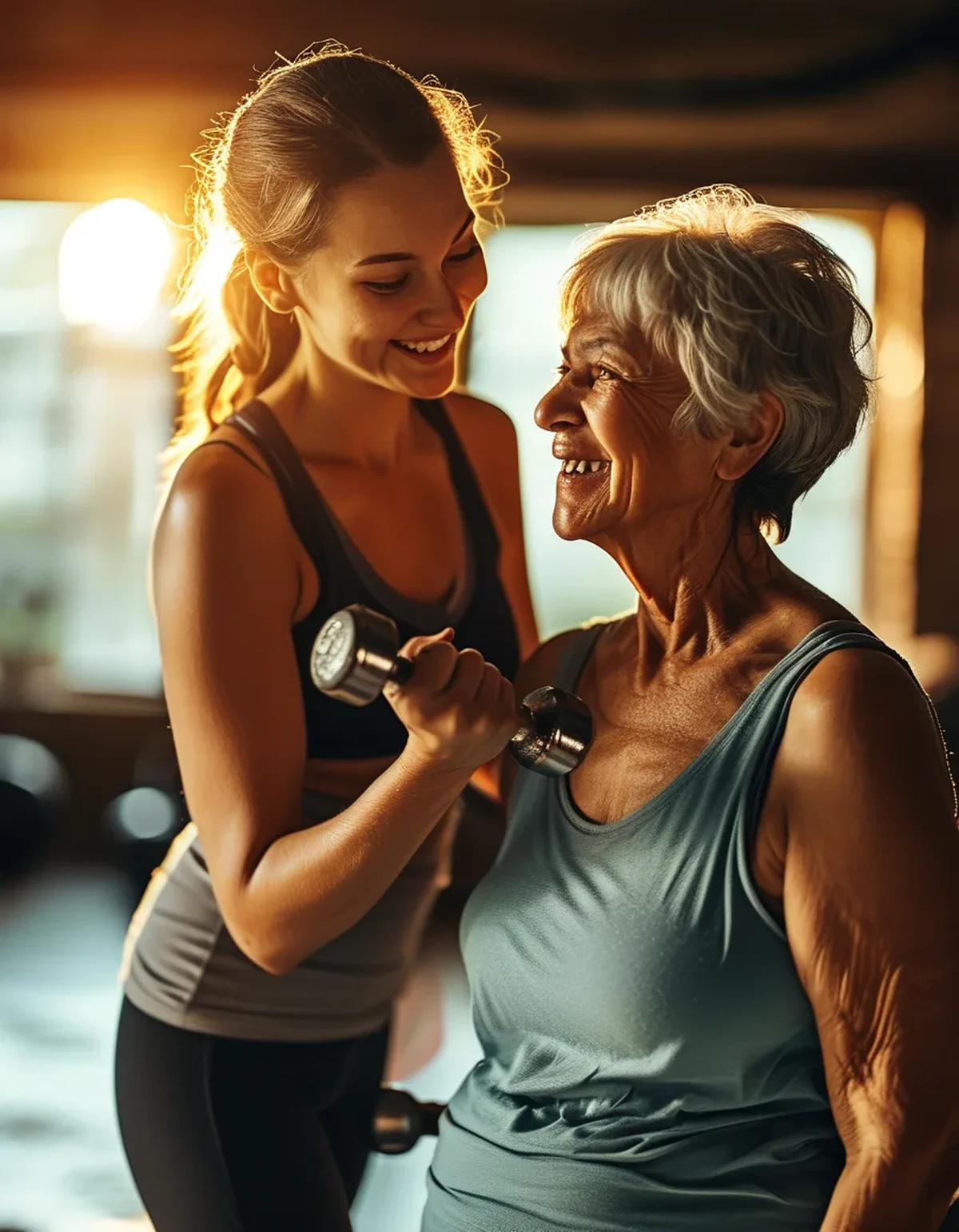
Reason 7 and 8: It correlates with cognitive health, and it is trainable at any age
7. Grip strength shows consistent associations with cognitive measures in older adults. The relationship is correlational rather than proven cause and effect, and the likely explanation involves shared factors - overall activity, cardiovascular health, and muscle mass. Still, it is another reason not to treat a declining number as harmless.
8. It responds to training remarkably well, even starting in your seventies and eighties. Grip is a relatively fast adaptor, with measurable gains commonly appearing within six to eight weeks of consistent work. Very few markers of aging move that quickly, which makes this an unusually rewarding place to start.
How do you actually train grip after 60?
Three movements cover almost everything: carries, holds, and pinches.
Farmer carries. Pick up something heavy in each hand - dumbbells, kettlebells, or two loaded grocery bags - and walk 20 to 30 seconds. Three rounds. Weight should be heavy enough that the last few seconds are a real effort.
Bar or towel holds. Hold a loaded bar at your sides, or hang from a bar with feet supported on the ground taking part of your weight, for 15 to 30 seconds. Three rounds. Foot support makes this accessible at any strength level.
Pinch holds. Hold two weight plates together by the smooth sides, or a thick book by its cover, for 15 to 20 seconds per hand. This trains thumb strength, which is what jars and door handles actually demand and what most programs completely miss.
Two sessions a week is enough. Add these to the end of a walk or a strength session rather than making a separate appointment out of them.
Stop if you have sharp joint pain rather than muscular effort, and talk to a doctor first if you have arthritis in the hands, recent wrist injury, or uncontrolled blood pressure - grip holds can raise blood pressure during the effort. This is general information, not medical advice.
FAQ: Grip Strength Questions, Answered
How do I measure my grip strength at home?
A hand dynamometer is inexpensive and gives a real number. Without one, use a timed hang or carry with a fixed weight and track the seconds - the trend matters far more than the absolute figure.
Do those spring hand grippers work?
They build crushing strength, which is the least useful of the three types for daily life. Carries and holds train support grip, which is what carrying, holding rails, and lifting actually use. Use grippers as a supplement, not a program.
Is it too late to start if my grip is already weak?
No. Grip is one of the most reliably trainable qualities at older ages, with studies showing meaningful gains in adults well into their eighties. Start lighter, progress slower, and expect the first change within about two months.
TL;DR:
- Grip strength is a well-established proxy for whole-body strength and independence.
- It affects fall recovery, illness recovery, wrist bone density, and your ability to keep training.
- It declines quietly because modern life never demands it.
- Carries, holds, and pinches twice a week produce measurable gains in six to eight weeks.
Of everything you can start this month, grip has an unusually good ratio of effort to payoff - a few minutes at the end of two sessions a week, and a marker that actually moves. Pick up something heavy, walk with it, and check the clock in eight weeks. This is general information, not medical advice.
Keep Reading
This article is for general informational and styling purposes only. Fit, sizing, and product availability may vary.