7 Strength Signs You're Actually Aging Well

Quick Answer: Grip strength, single-leg balance time, sit-to-stand speed, and walking pace are all more predictive of healthy aging and independence than body weight alone — and you can check most of them at home in under ten minutes.
The scale gets all the attention, but it’s not measuring the things that actually predict whether you’ll stay independent and mobile for decades.
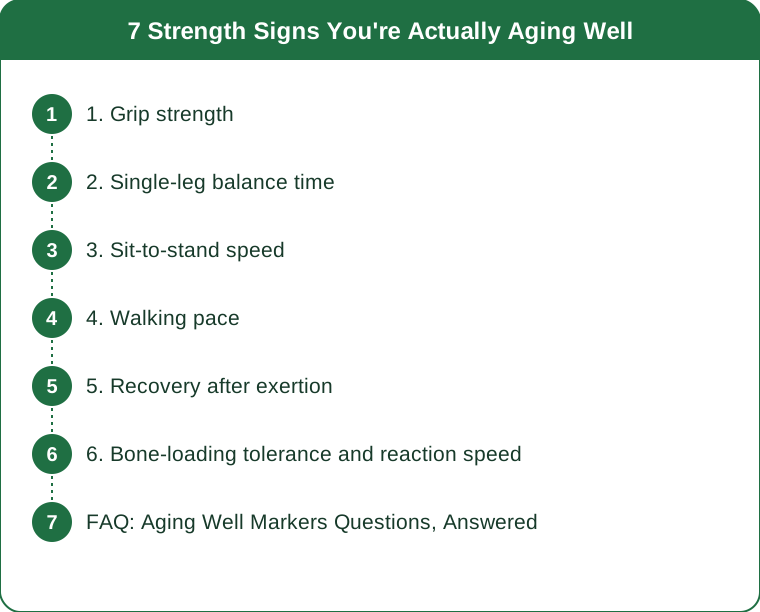
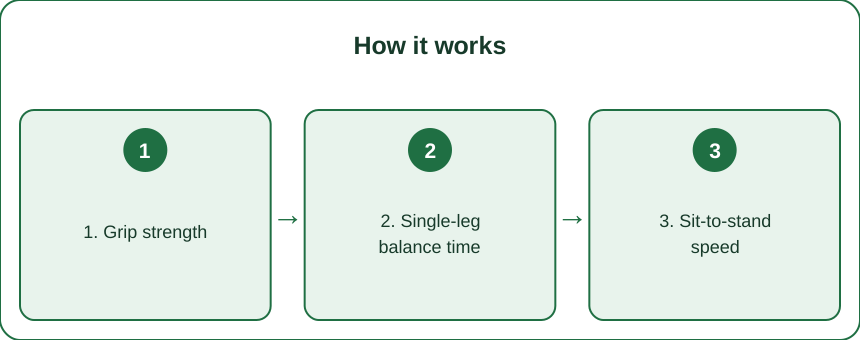
1. Grip strength
Grip strength is used in research as a proxy for overall muscle strength and has been linked in multiple studies to longevity and functional independence. You can estimate it informally by how confidently you can open a stubborn jar lid or carry two full grocery bags at once.
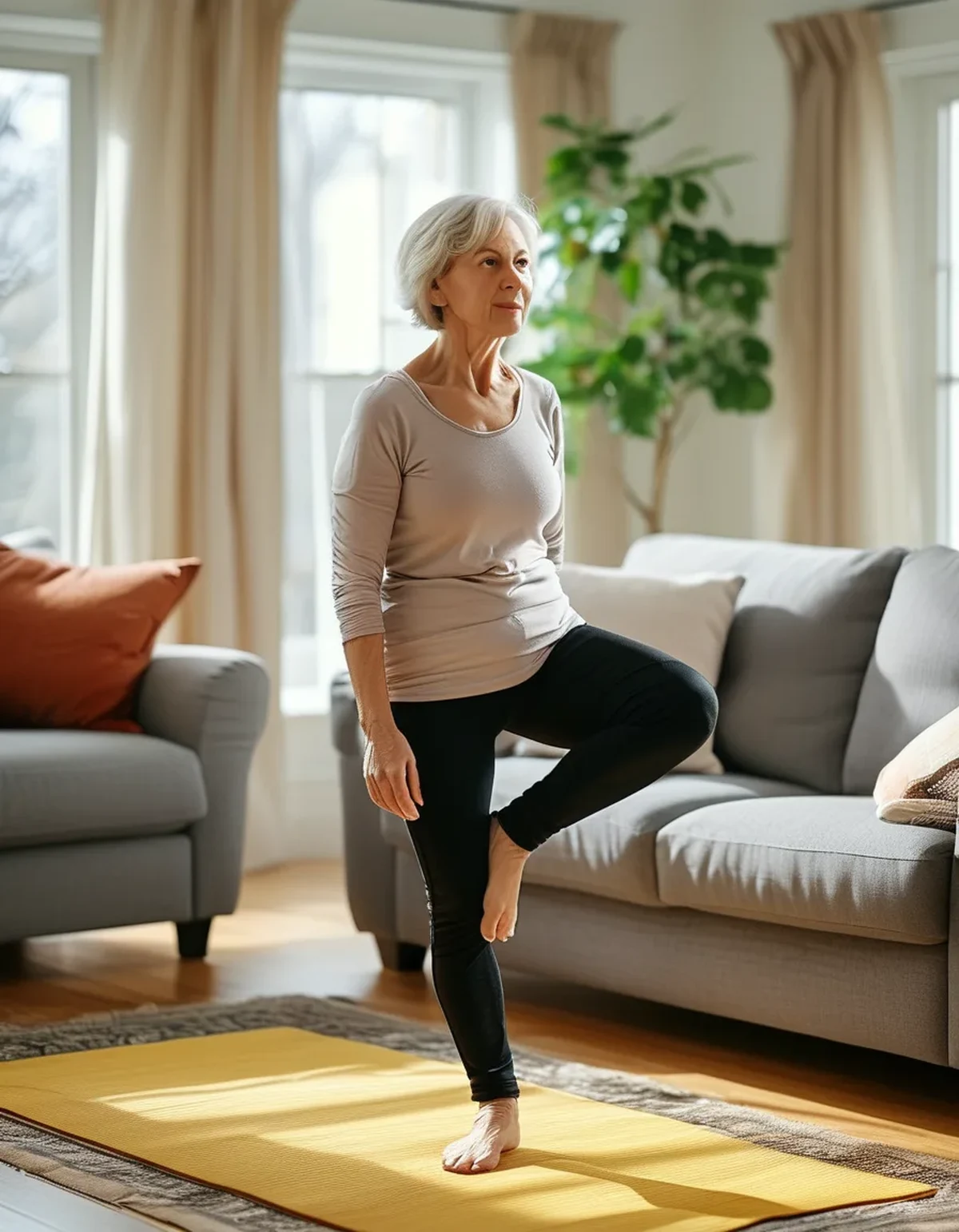
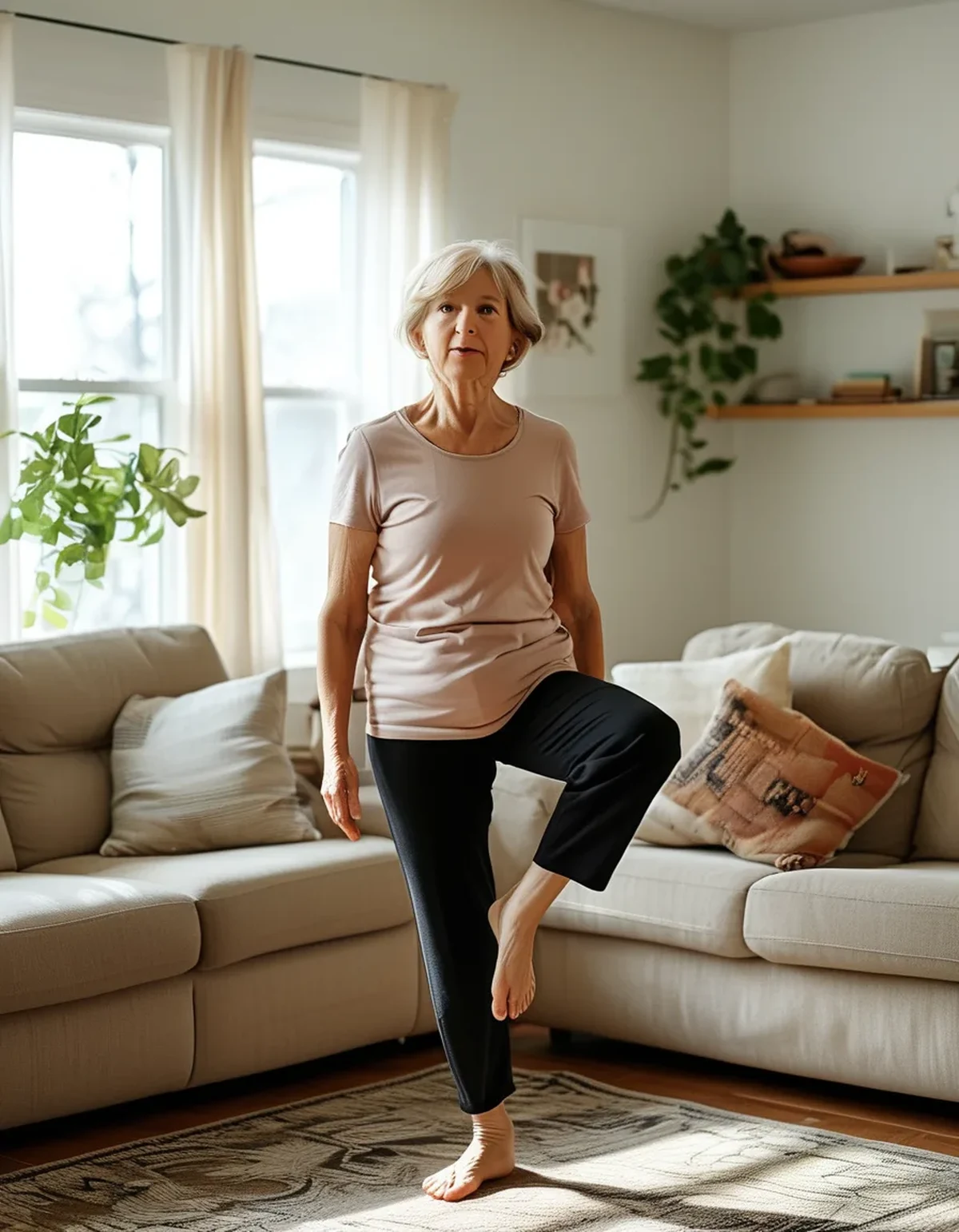
2. Single-leg balance time
Standing on one leg for 10+ seconds without support (eyes open) is a commonly used clinical screen. Under 10 seconds has been associated with higher fall risk in some studies of older adults — worth checking on both sides, since asymmetry matters too.
3. Sit-to-stand speed
Rising from a chair without using your hands, five times in a row, timed — under about 12 seconds is generally considered a healthy benchmark for older adults. Struggling to complete it without hand support is a signal worth noting, not ignoring.
4. Walking pace
A comfortable walking pace above roughly 0.8 meters per second (a brisk-ish, purposeful walk) has been associated in research with lower mortality risk. You don’t need a stopwatch — noticing whether you can cross a street comfortably in a normal light cycle is a rough real-world proxy.
5. Recovery after exertion
How quickly your breathing returns to normal after a flight of stairs is a rough marker of cardiovascular fitness, which underpins most of the markers above. This tends to improve within weeks of consistent light cardio, even starting later in life.
6. Bone-loading tolerance and reaction speed
Being able to comfortably do a bodyweight step-up or carry a moderately loaded bag up stairs reflects both muscle and bone health — weight-bearing activity is one of the few things shown to help maintain bone density after 50.
7. Reaction and coordination
Catching a lightly tossed ball, or reacting to a curb you didn’t see coming, reflects neuromuscular coordination — often overlooked, but directly tied to fall prevention, which is one of the biggest threats to independence after 60.
FAQ: Aging Well Markers Questions, Answered
Can these markers actually improve at any age?
Yes — strength and balance training show measurable improvements even when started in the 70s and 80s in multiple studies, it’s genuinely never too late to start.
Which one matters most if I can only work on one?
Balance training tends to have the most direct link to fall prevention, which is the single biggest threat to independence, so it’s a reasonable place to start.
How often should I check these at home?
Once a month is plenty — frequent enough to notice trends, infrequent enough not to become anxiety-inducing.
TL;DR:
- Grip strength, balance time, sit-to-stand speed, and walking pace beat the scale as aging indicators
- Most can be roughly checked at home in under ten minutes
- Balance and strength training improve these markers at any age, even starting in your 70s
- Check monthly to spot trends, not daily
This is general information, not medical advice — talk to a doctor before starting a new exercise program, especially with existing conditions.
Keep Reading
This article is for general informational and styling purposes only. Fit, sizing, and product availability may vary.