7 Hydration Mistakes Women Over 60 Make (and How to Fix Each One)

Quick Answer: After 60, your sense of thirst naturally weakens even as your hydration needs stay important for balance, energy, and kidney health — so the fix isn’t waiting to feel thirsty, it’s building water into your schedule the same way you’d schedule a walk or a workout.
You didn’t feel thirsty all morning, so you skipped the water glass by the sink. By 3pm you’re foggy, a little dizzy standing up, and blaming it on a bad night’s sleep. It might just be dehydration wearing a disguise.
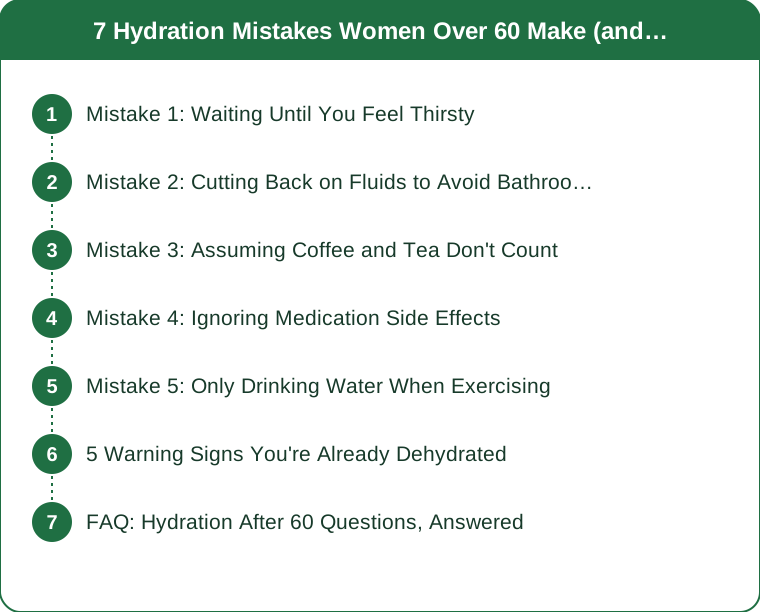
Mistake 1: Waiting Until You Feel Thirsty
Thirst signals weaken with age, which means by the time you feel thirsty, you may already be mildly dehydrated. This is one of the most common reasons dehydration sneaks up on older adults who genuinely feel fine.
Researchers believe this happens because the brain’s thirst-signaling centers become less sensitive to the small drops in blood volume and rising blood concentration that would have triggered an obvious thirst response at a younger age. That’s not a personal failing, it’s a predictable, well-documented change, which is exactly why relying on thirst alone stops being a reliable strategy after 60.
The fix: drink on a schedule instead of a feeling — a glass with each meal plus one between meals covers most of the day without relying on thirst at all. Setting a phone reminder for the first week or two can help the schedule become automatic.
Mistake 2: Cutting Back on Fluids to Avoid Bathroom Trips
It’s a common workaround for urgency or nighttime bathroom trips, but under-drinking to avoid the bathroom often backfires by concentrating urine, which can actually irritate the bladder more.
Concentrated urine is also more likely to contribute to urinary tract infections, which become more common with age and can present with confusing symptoms in older adults, sometimes including sudden confusion rather than the classic burning sensation. Restricting fluids to manage one problem can quietly create a different one.
The fix: front-load fluids earlier in the day and taper off 2-3 hours before bed, rather than restricting overall intake — this reduces nighttime trips without cutting total hydration. If nighttime urgency remains a significant issue despite this adjustment, it’s worth raising with your doctor rather than solving it through under-drinking alone.
Mistake 3: Assuming Coffee and Tea Don’t Count
Caffeinated drinks have a mild diuretic effect, but the fluid they provide still counts toward your daily total for most people — the old ‘coffee doesn’t hydrate you’ advice has been walked back by more recent research.
The diuretic effect of caffeine is generally mild and tends to matter less for people who drink caffeinated beverages regularly, since the body adapts somewhat over time. This means your usual morning coffee or afternoon tea genuinely contributes toward your daily fluid target rather than working directly against it.
The fix: enjoy your coffee, just don’t count on caffeine alone for your full daily fluid needs — pair it with water throughout the day so your total intake isn’t leaning entirely on caffeinated drinks.

Mistake 4: Ignoring Medication Side Effects
Many common medications after 60 — diuretics for blood pressure, certain antidepressants, and some diabetes medications — increase fluid loss or blunt thirst signals as a side effect.
This matters more the more medications you’re on, since effects can stack in ways that aren’t always obvious from reading a single medication label. Someone on both a blood pressure diuretic and a medication that independently affects thirst perception may need meaningfully more deliberate hydration than either medication’s instructions suggest on its own.
The fix: ask your pharmacist or doctor directly whether any of your prescriptions affect hydration, and adjust your daily water target upward if so. Bringing your full medication list to this conversation, rather than asking about one drug at a time, gives a more complete picture.
Mistake 5: Only Drinking Water When Exercising
Treating hydration as an exercise-only concern misses the bigger picture — everyday activities like gardening, errands, and even sitting in a warm room draw down fluid levels gradually throughout the day.
Heat and humidity add up even during low-intensity activity; a warm kitchen while cooking or a sunny afternoon on a porch can quietly increase fluid loss through skin and breathing, even without a single drop of visible sweat. Many people only associate fluid loss with a hard workout and miss this slower, less obvious daily drain entirely.
The fix: keep a filled water bottle visible on the counter or by your favorite chair; visibility alone significantly increases how much people drink. Refilling it at the same two or three points in your day turns hydration into a habit rather than a decision you have to remember to make.
5 Warning Signs You’re Already Dehydrated
Catching dehydration early makes it easy to fix. Watch for:
- Dark yellow urine instead of pale straw color
- Dizziness when standing up from sitting or lying down
- Dry mouth or lips that persists between drinks
- Unusual fatigue or brain fog with no other clear cause
- Fewer bathroom trips than usual across a full day
If you notice two or more of these, increase fluids right away and check with your doctor if symptoms don’t improve within a day. Dizziness on standing deserves particular attention after 60, since it’s also a common contributor to falls — treating it as a hydration red flag rather than something to just push through is a genuinely useful habit to build.
FAQ: Hydration After 60 Questions, Answered
How much water should I actually drink per day after 60?
A commonly cited target is about half your body weight in ounces (a 150-pound person would aim for roughly 75 ounces), though your doctor may adjust this for kidney or heart conditions.
Do I need electrolytes, or is water enough?
For most everyday activity, plain water is enough — electrolyte drinks matter more after heavy sweating, illness with vomiting or diarrhea, or if your doctor has specifically recommended them.
Can drinking too much water be a problem at this age?
Yes, especially with certain heart or kidney conditions or medications — this is exactly why it’s worth asking your doctor for a personalized target rather than guessing.
Does eating water-rich food count toward my daily hydration total?
Yes — foods like cucumber, watermelon, oranges, and soup broth all contribute meaningful fluid, so a hydration plan doesn’t have to rely on beverages alone.
TL;DR:
- Thirst signals weaken with age, so schedule fluids instead of waiting to feel thirsty
- Front-load water earlier in the day if nighttime bathroom trips are a concern, rather than cutting total intake
- Coffee and tea count toward hydration, but shouldn’t be your only source
- Ask your doctor whether any medications you take affect your hydration needs
This is general information, not medical advice — check with your doctor for a hydration target that fits your health history.
Keep Reading
This article is for general informational and styling purposes only. Fit, sizing, and product availability may vary.